Work/Albert Nobilis
Luxury fashionAlbert Nobilis
A Swiss clothing house putting out several collections a year across Europe and Asia, where each release has to land complete in every language and currency at once.
albert-nobilis.com ↗- Country
- Switzerland
- Industry
- Luxury fashion
- Services
- Custom ecommerce development, UX, multilingual SEO, support
One catalog, three languages
The store runs multi-country, multi-language and multi-currency, so a release reaches every market it sells into at the same time rather than market by market.
The catalog is carried in English, German and Italian, which is the shape of the house's own market rather than a default set. Every product, every category and every piece of navigation exists three times over, and all three have to be complete on the day a collection opens.
For a house that puts out several refined collections a year, the cost of the alternative is measured in weeks per drop. A translation queue that runs behind the release is a queue that stays behind, because the next collection starts before the last one has finished landing.
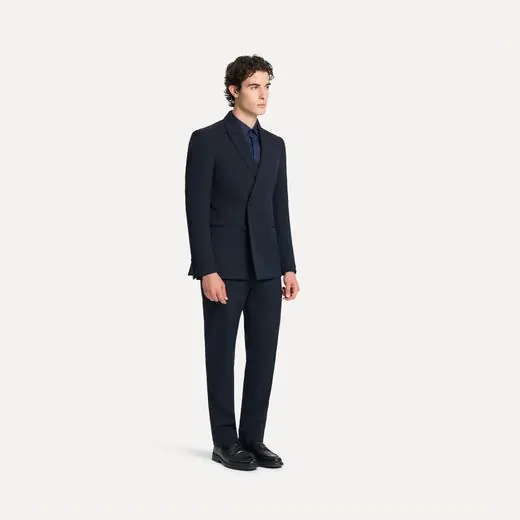 Jackets and blazersTailoring
 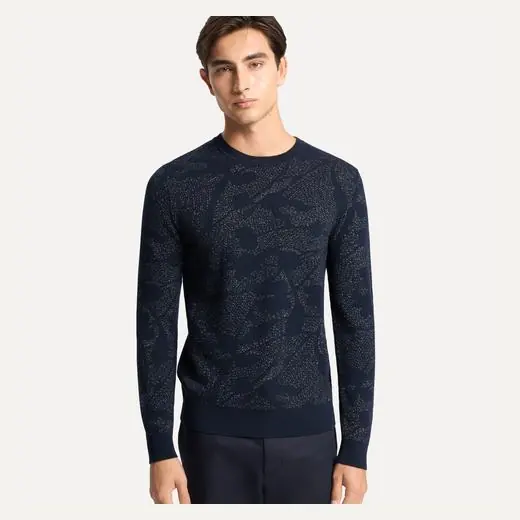 KnitwearSeasonal weights
 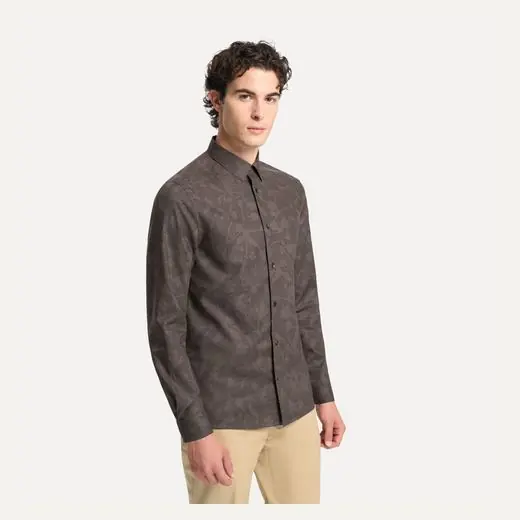 ShirtsPrints and plains
 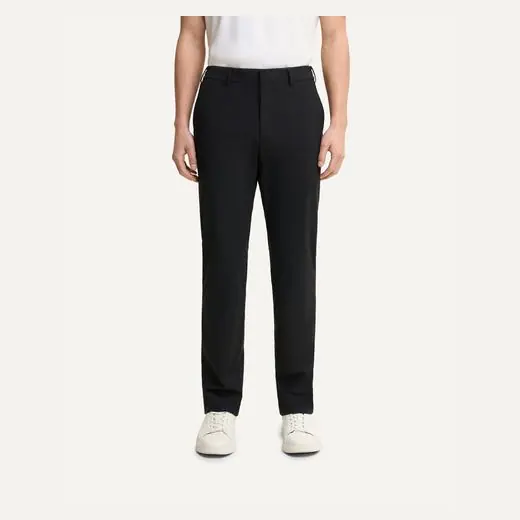 TrousersThe deepest category
 Six categories, several collections a year, and a store locator on top. Every one of those exists in three languages and prices in the currency the market expects, from the moment the collection opens.
A collection lands complete, or it does not land
A fashion release is a fixed moment. The lookbook, the campaign and the retail floor are all pointed at one date, and the store is the only part of that which can quietly arrive late.
So the release path was built to move a collection through in one piece. Products, categories, imagery, copy and the language variants of each are handled as a single release rather than as a sequence of separate updates that each need checking.
That is a structural decision more than a content one. It means the merchandising team spends its day on how a collection is presented rather than on confirming that it exists in all three languages.
Local by resolution, not by rebuild
Payment gateways are selected per country, so a customer is offered the methods that are normal where they are rather than the ones that were normal where the store was built.
The store locator renders whichever mapping service the visitor's region actually reaches, which matters as soon as a house sells into Asia, where the mapping provider a European build reaches for is not always available.
The visitor sees a store that behaves like a local one. Behind it there is a single build rather than one per market, which is what keeps a house of this size able to open a new market without opening a new codebase.
Found in every language it sells in
Multilingual SEO with structured data and per-language meta, so search reaches the catalog in each market rather than only in the language it was written in.
Translated product copy on its own does not make a catalog findable. The structured data, the metadata and the language signals have to be right per variant, or three languages of catalog compete for the visibility of one.
The engagement continued past launch on a retainer covering features, performance, content and security, which is the arrangement that suits a business whose calendar is set by collections rather than by projects.
Several collections a year, live everywhere at once.
One build, serving Europe and Asia in the language, currency and payment method each market expects.






Tell us what you are working on.
A scope, a brief, or a store that already exists.