Work/Atwater
Men's skincareAtwater
A men's skincare range sold as routines rather than as single bottles, built on Shopify in both Liquid and Hydrogen, with custom development underneath and CRM work running alongside the storefront.
atwaterskin.com ↗- Industry
- Men's skincare
- Platform
- Shopify, Liquid and Hydrogen
- Scope
- Storefront build, custom development, CRM
Sold as a routine, not as a bottle
Atwater's proposition is a routine to last a lifetime, and the catalog is arranged to match it. The range divides by skin type first, into normal and combination, dry, and oily, and each of those has its own line running through cleansers, moisturizers, eye and lip care and sunscreen.
That is a matrix rather than a list. A customer is not choosing a product, they are choosing a column, and the store has to present the column as the thing on sale while still letting someone buy a single item out of it.
The same structure carries the sets. Each skin type is offered as a starter, an essentials and an ultimate set, so a customer can enter the range at the depth they are ready for and move up it later without changing lines.
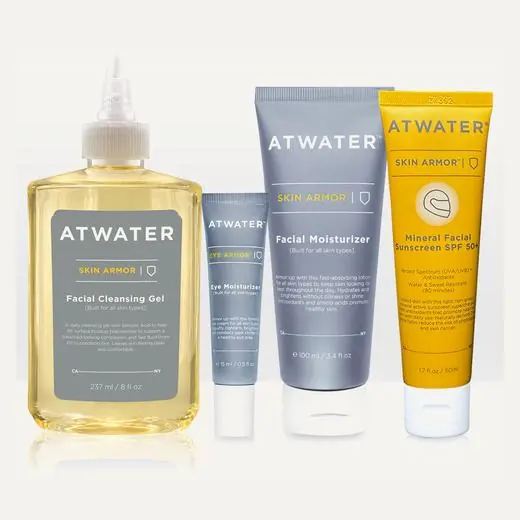 Skin ArmorNormal and combination
 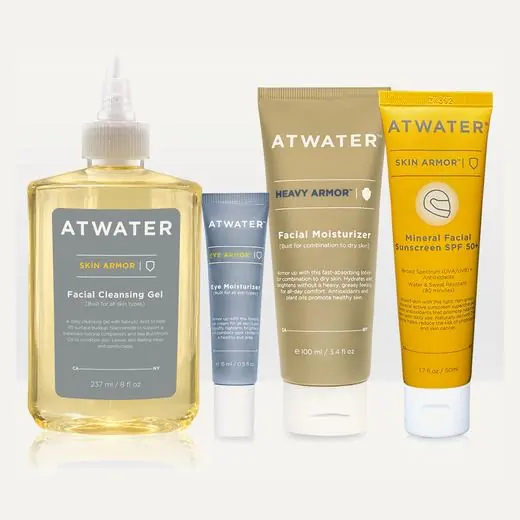 Heavy ArmorDry
 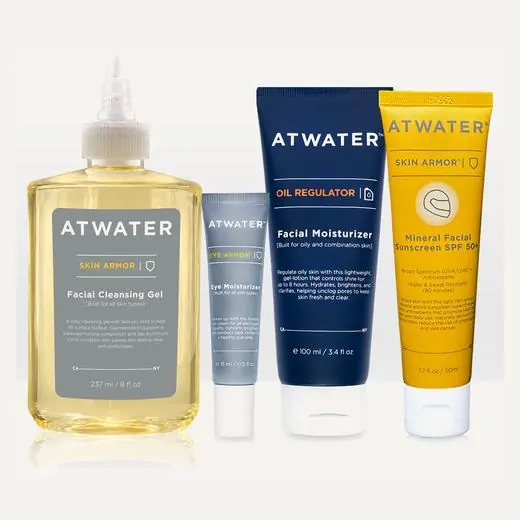 Oil RegulatorOily
 Three lines, each offered at three depths. The set is the unit the brand sells, so it is the unit the storefront is organized around.
A quiz that ends in a cart
The range is easy to shop once you know your skin type and harder before that, so the store puts a skin quiz in front of the catalog rather than a grid.
A quiz is only worth having if it resolves to something specific. This one lands the customer on the line built for them and the set at the depth that suits them, which turns an open question into a single decision.
Alongside it, a store locator carries the range into physical retail, so a customer who found the brand online can also find it on a shelf.
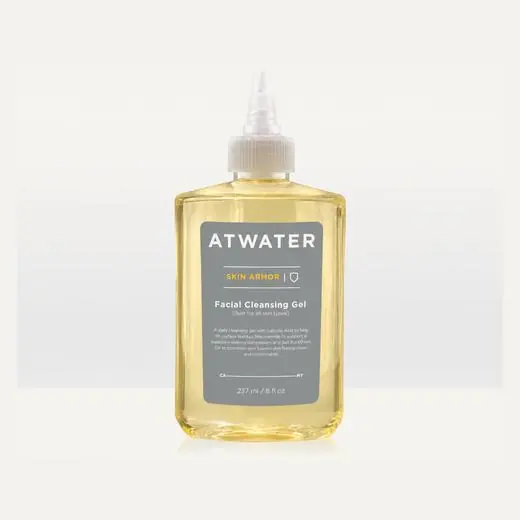 Cleansing gelNormal and combination
 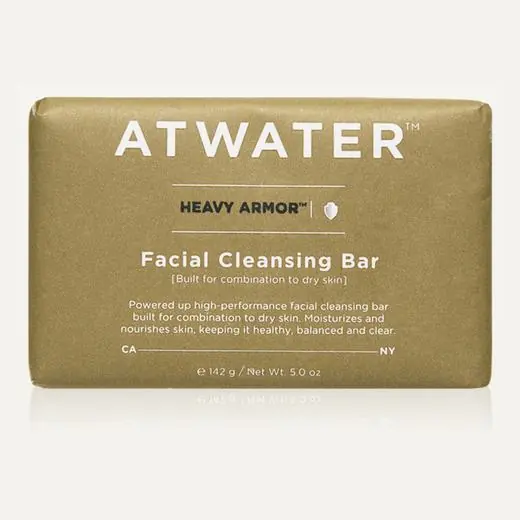 Heavy ArmorThe bar, for dry skin
 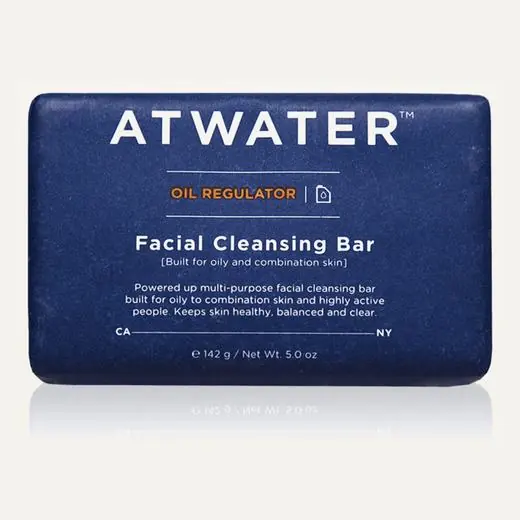 Oil RegulatorThe bar, for oily skin
 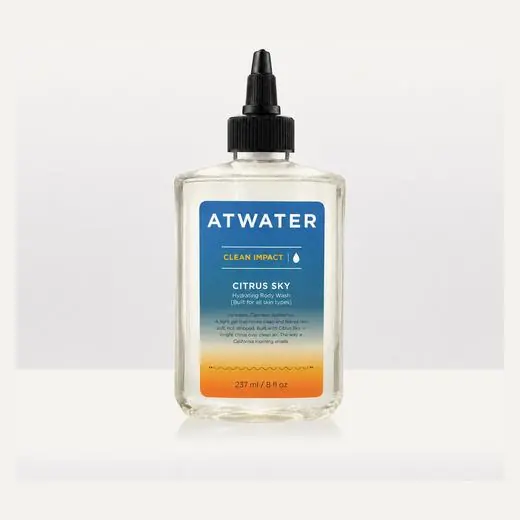 Clean ImpactBody, and the signature scent
 The same products the sets are assembled from, each also sold on its own. Both routes have to be first class, because the customer who is replacing one bottle and the customer who is starting a routine are the same customer at different points.
Liquid and Hydrogen together
The storefront runs in both Liquid and Hydrogen rather than committing the whole business to one rendering model.
That is a defensible position rather than a compromise. Liquid keeps the merchandising surface in the hands of the people who merchandise, with the theme editor and the app ecosystem intact. Hydrogen takes the parts of the experience that benefit from being an application and builds them as one.
It is the reference build behind Lideum's headless capability, which is why it is named here rather than described in the abstract.
CRM alongside the storefront
CRM work runs beside the store, carrying the customer relationship past the first order.
Skincare is bought on repeat by design. A routine that works is reordered, and the reorder is where the economics of the brand actually sit, which puts the lifecycle program closer to the center of the work than a storefront project usually implies.
Building the two alongside each other means the store and the program share one view of what a customer bought and where they are in the routine, rather than each holding half of it.
A storefront and a customer program, built together.
Liquid and Hydrogen on Shopify, with the CRM that keeps the relationship going after checkout.





Tell us what you are working on.
A scope, a brief, or a store that already exists.