Work/Lift Foils
WatersportsLift Foils
Premium eFoils, a high-consideration and highly configurable product, sold to riders in more than forty countries and supported through three hundred demo locations.
liftfoils.com ↗- Industry
- eFoils and hydrofoils
- Platform
- Shopify
- Scope
- Migration, multi-region architecture, continuing product work
What the catalog has to carry
Lift Foils launched the first commercial eFoil in 2018 and has spent the decade since widening the range rather than settling it. The line runs from the LIFT5 F through the LIFT5 and the LIFTX, and none of those is a single product in catalog terms.
A rider buys a board, a mast, a front wing and a back wing, and the combination is the purchase. Wings come in their own collections: Grubb, Florence and Surf. The right pairing depends on whether the rider is a beginner, intermediate or advanced. The catalog is a matrix, not a list.
That is the shape of the engineering. Before anything can be merchandised, priced or shipped correctly, the storefront has to model how the product is actually assembled, and it has to keep modeling it as the range grows.
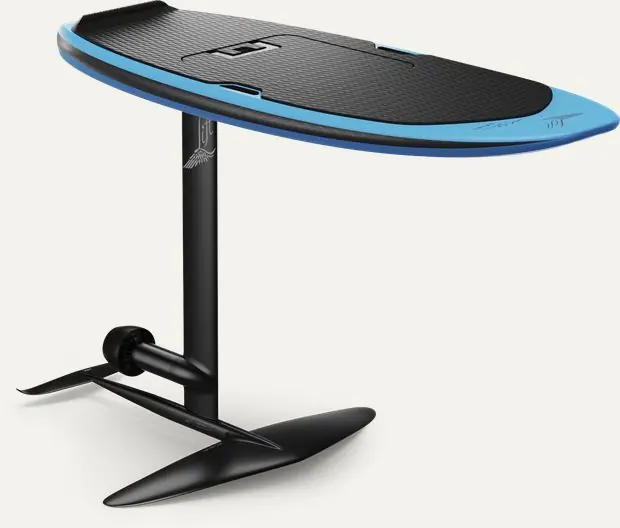 BoardLIFT5, LIFT5 F or LIFTX
 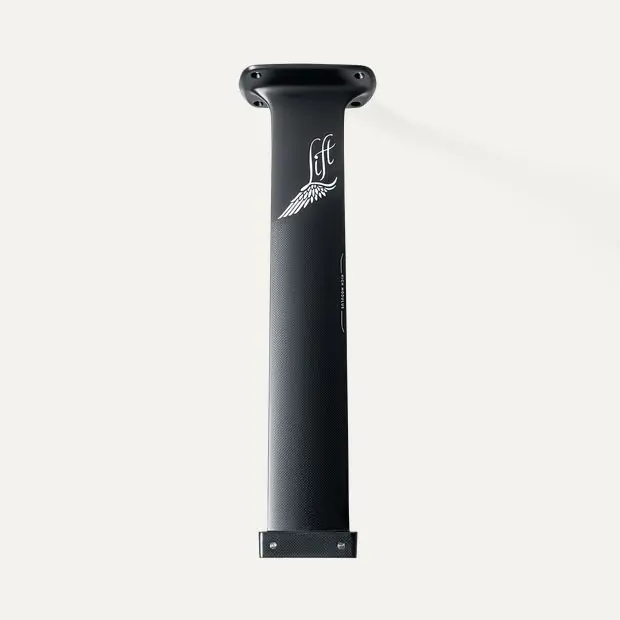 MastHeight to suit the water
 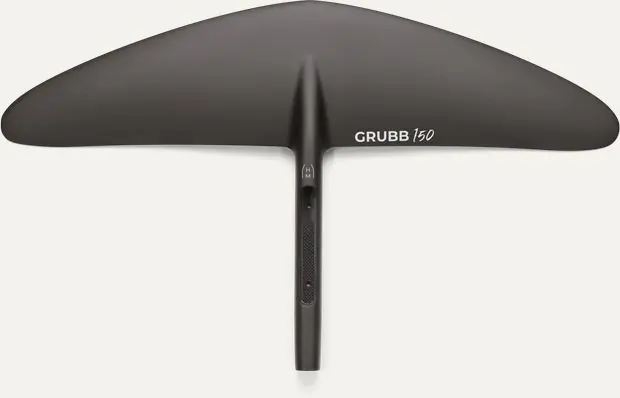 Front wingLift and speed
 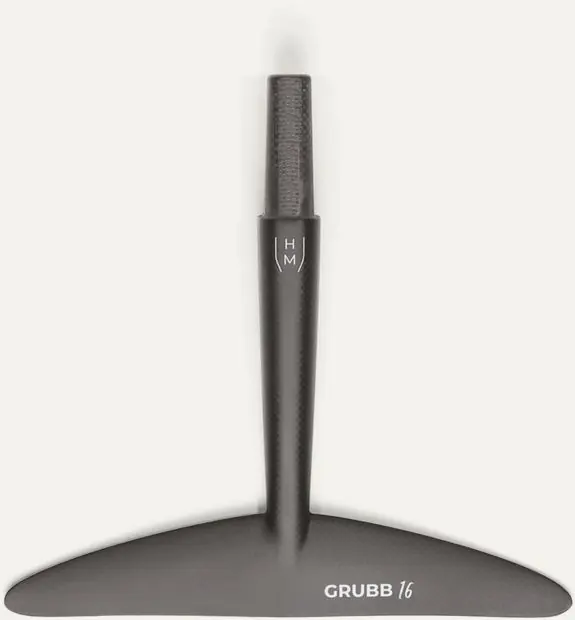 Back wingStability and turn
 Four choices, and the combination is the purchase. Every one of them has to be selectable, in stock, priced for the market and picked correctly, which is why the variant model is the storefront.
Off WordPress, onto Shopify
The business moved off WordPress and onto Shopify. The storefront was rebuilt around the product architecture the catalog actually needed rather than the one it had inherited from the previous platform.
A migration of this kind is a data-modeling job before it is a design job. Variants, options and their relationships have to be resolved first, because every downstream behavior reads from that structure: what a rider can select, what is in stock, what gets picked and shipped.
Getting it right at the point of migration is what made the two stages that followed possible.
One core, many markets
That single storefront grew into a multi-region, multi-site setup, with catalog, pricing and fulfillment rules resolving per market from one operational core.
Each market reads as its own store to the rider in front of it: the range it can buy, the currency it is priced in, the rules that govern how an order leaves. Behind that, the range and the operations stay in one place, so a change is made once and every market stays in step with it.
For a business shipping to riders in more than forty countries and running three hundred demo locations, the alternative is a separate build per market, which multiplies the maintenance by the number of markets.
A range that keeps moving
Successive rounds of variant, UX and catalog restructuring followed as the range expanded: new flagship boards, new wing collections, new rider levels to guide people into the right setup.
Each addition is a structural change, not a content update. A new wing collection has to slot into the existing matrix without breaking the combinations already on sale, and without turning the buying path into a specification exercise for a rider who just wants the board that suits them.
The engagement is continuing rather than a project that closed, which is the point. A configurable product stays buyable only while the structure underneath it keeps pace with the range above it.
LIFT5The flagship 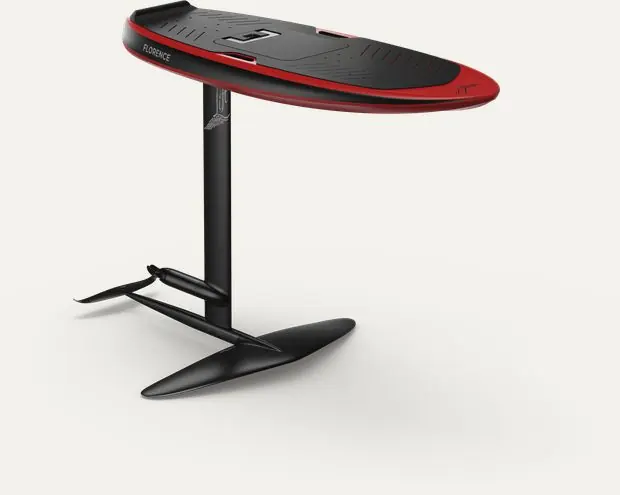 LIFTXFlorence 4'7
 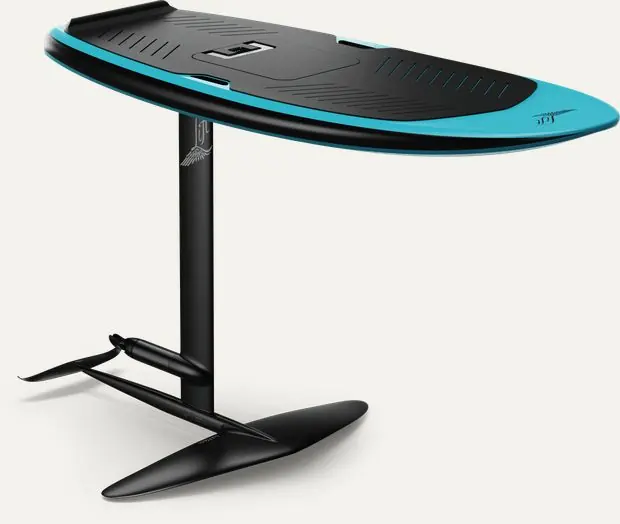 LIFTX5'4
 Each board arrives with its own shapes, colorways and rider levels, and every one of them has to slot into the matrix without disturbing the combinations already on sale.
One operational core, serving every market the range sells into.
Lift Foils launched the first commercial eFoil in 2018 and now has riders in more than forty countries. The storefront is built to keep up with them.






Tell us what you are working on.
A scope, a brief, or a store that already exists.