Work/Luekens
Wine and spiritsLuekens
A large-catalog retail operation across eight Florida stores, where the storefront has to reflect what is physically on the shelf and get it to the customer inside the hour.
luekensliquors.com ↗- Industry
- Wine, spirits and beer retail
- Platform
- Shopify
- Scope
- Multi-location inventory, pickup and delivery, order routing
What the shelf actually holds
Luekens runs eight stores in Florida alongside local delivery and nationwide shipping, and the storefront speaks for all of them at once. On-hand, reserved, in-transit and available-to-promise are tracked per warehouse, dark store and outlet rather than pooled into one number across the business.
Stock is reserved in real time at checkout and moved between stores on transfer, so the figure a customer sees is the figure the shelf can honor.
Retail wine and spirits is a long-tail catalog by nature. A great deal of it sits one or two deep at any given location, and a single bottle sold over the counter changes what the website can promise a minute later. A pooled count would have been quicker to build and slower to trust.
So the inventory model is the foundation the rest of the store is built on. Browse, checkout and fulfillment all read from it, which is the only way those three can agree with each other.
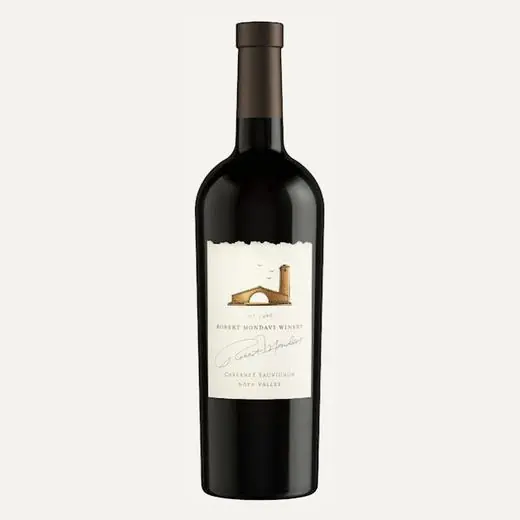 WineBy varietal, country and region
 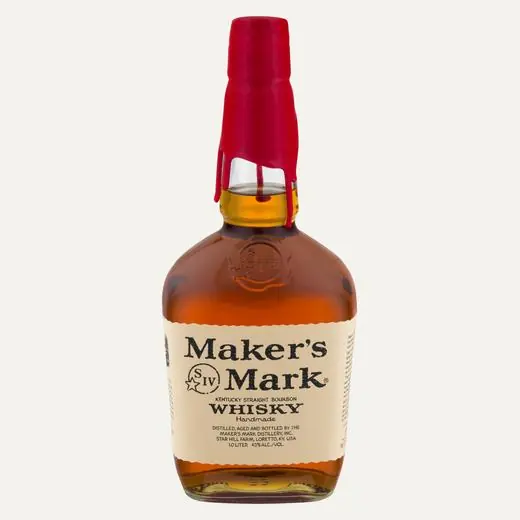 BourbonBy type, down to rye and single malt
 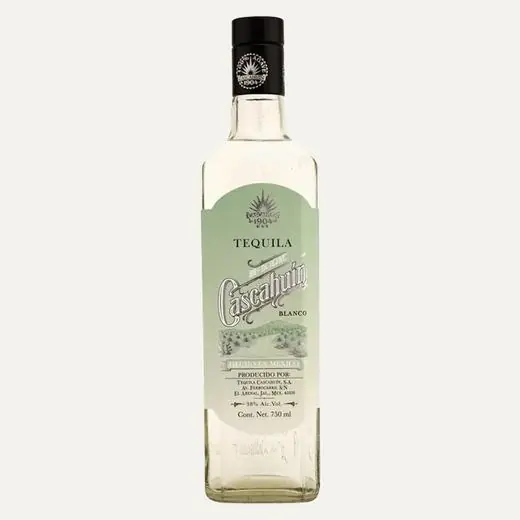 TequilaBlanco, reposado, añejo
 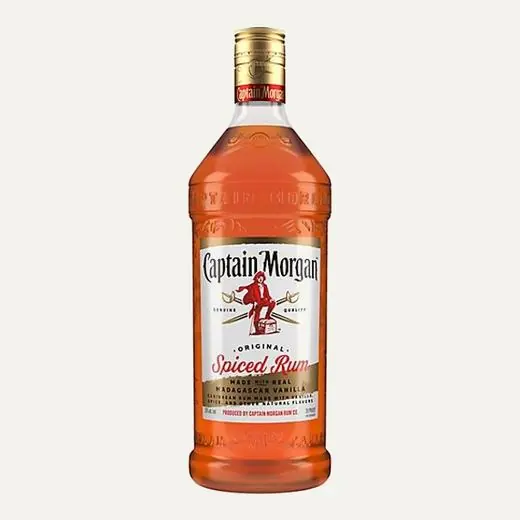 RumSpiced, dark, white
 Four bottles out of a catalog that runs to thousands. Each one has to be findable by the path a customer actually thinks in, in stock at a location that can reach them, and priced for the store it ships from.
Finding one bottle in a catalog this wide
The catalog is browsed by facet rather than by list. Wine resolves by category, by varietal, by country and by region, so a customer can arrive at Napa Valley cabernet or Willamette Valley pinot without knowing a single label. Spirits resolve by category and then by type, down to rye, blanco, añejo, cognac and single malt. Beer and seltzers carry their own styles.
Every one of those paths is backed by the same picture of stock the checkout reads from. A facet that returns something the customer cannot buy today spends the customer's attention before it has any chance of spending their money.
Merchandising sits on top of the same structure. Sales, new arrivals, best sellers, fine and rare, and the store's own barrel selects are views onto one catalog rather than lists maintained by hand, which is what keeps them current at the size this range runs to.
Pickup, delivery or shipping, decided at checkout
Checkout resolves into three routes rather than one. A customer can collect from a store, take local delivery, or have the order shipped.
Addresses are validated against serviceable zones before any of those are offered. Where local delivery reaches, it is offered. Where it does not, the order moves to shipping inside the same step, so the customer stays in the flow with an option that works for the address they gave rather than being told to start again.
Pickup stores are ranked by distance and filtered to the ones holding the entire cart, so a customer is only ever shown a location that can hand over the whole order. Offering a store that can part-fill it moves the work onto the customer, and they are the one person in the transaction who cannot see the stock table.
The result is a checkout that makes a smaller number of decisions look simple, because most of the decisions were already made by the time the customer got there.
Every order routed to somewhere that has it
An allocation engine routes each order on stock, proximity, capacity and cost, so the location that serves an order is chosen on what the network can actually do that afternoon.
Where no single location can serve the whole cart, fulfillment splits across locations rather than holding the order back. A split shipment costs the business something. A held order costs it the customer.
The routing reads from the same stock picture as the storefront, which is what lets the promise made at checkout and the decision made in the warehouse be the same promise.
An hour is a short window
The store offers delivery in under an hour across the areas it covers. A promise that short is an engineering commitment before it is a marketing one.
There is no room inside an hour to discover a shortfall and re-pick the order somewhere else. The decision about where an order comes from has to be right the first time it is made, which is the reason inventory is modeled per location and routing runs at the moment of the order rather than in a batch afterwards.
Eight stores, three fulfillment routes and a catalog in the thousands is a lot of moving structure to hold together. Holding it together is what makes the storefront look uncomplicated to the person using it.
Eight stores, one view of what is available and where.
The storefront, the shelf and the order routing read from the same picture of stock, whether the order leaves in an hour or in a week.




Tell us what you are working on.
A scope, a brief, or a store that already exists.